Adventure & History · Saudi Arabia · Medina Region 🇸🇦
AlUla Travel Guide — Nabataean tombs, crimson canyons, and a kingdom opening its doors — AlUla is Arabia's greatest secret
⏱ 13 min read📅 Updated 2026💶 €€€€ Luxury✈️ Best: Jan–Apr
€250–450+/day
Daily budget
Jan–Apr
Best time
4–7 days
Ideal stay
SAR (Saudi Riyal)
Currency
Sunrise in AlUla arrives as a slow amber bleed across sandstone escarpments that have stood for 200,000 years, igniting tombs carved by Nabataean hands into cliffs that glow like molten copper. The air is cool and resinous, carrying the faint scent of frankincense from the old town's alleyways, where mud-brick towers still lean into each other the way they have since the 12th century. AlUla is not the Saudi Arabia of glossy skyscrapers and shopping malls — it is a geological theatre of extraordinary scale, an open-air museum that stretches across 22,000 square kilometres of north-western Arabia. Here, oases of date palms soften the severity of the desert, falcons spiral overhead in a sky so blue it seems lacquered, and the silence between canyon walls is so complete you can hear your own heartbeat. This is a destination that asks you to slow down, look closely, and recalibrate your sense of what ancient civilisation really means.
Visiting AlUla today is a privilege that will not last in its current intimate form — the Royal Commission for AlUla is investing billions of riyals to transform this valley into a world-class cultural destination without sacrificing its authenticity. Unlike Petra in Jordan, which has been welcoming mass tourism for decades and can feel crowded by mid-morning, AlUla's Hegra site still operates with timed, restricted-group access that makes every visit feel genuinely personal. Things to do in AlUla range from scrambling through slot canyons at Jabal Ikmah to attending avant-garde art installations beneath billion-year-old rock formations — a combination that no other destination on the Arabian Peninsula can match. For the discerning European traveller who has already ticked Jordan, Egypt, and Oman off their list, an AlUla itinerary represents a once-in-a-generation window: the infrastructure is now good enough to travel comfortably, but the crowds have not yet arrived.
✦ Find your perfect destination
Is AlUla really your perfect match?
Answer 12 quick questions about your travel style, budget and dates — we match you with the destinations that fit you best, from 600+ worldwide.
AlUla earns its place on any serious traveller's list because it delivers three things almost nowhere else can simultaneously: world-class archaeology that rivals Petra, dramatic desert landscapes that shame most of the Sahara's showpieces, and a cultural programme that has attracted the likes of Jean Nouvel and Murano glass artists to the sands of north-western Saudi Arabia. Hegra alone — the largest preserved Nabataean city outside Jordan — justifies a long-haul flight, with 111 monumental tombs whose intricate façades are in some ways better preserved than those at Petra precisely because fewer feet have walked past them. AlUla's date-palm oasis, inhabited for 7,000 years, adds another layer of living history that purely archaeological sites can never offer. The winter light here is extraordinary: flat, golden, and so forgiving that even amateur photographers return home with gallery-worthy images.
The case for going now: Saudi Arabia's Vision 2030 is pouring investment into AlUla at a pace that is transforming the destination in real time — luxury eco-resorts have opened in the last two years, a purpose-built airport now receives direct European charter flights during the winter season, and new site interpretation at Hegra and Dadan launched in 2024. The window of visiting before the crowds is genuinely closing; analysts predict AlUla will become one of the Middle East's top-five tourist destinations by 2030. Visiting in 2026 means Michelin-calibre dining, boutique camp resorts, and a Hegra site that you may explore with just a handful of other travellers at dawn.
🏛️
Hegra Tombs
Walk among 111 Nabataean rock-cut tombs dating to the 1st century BCE, their carved eagle friezes and Aramaic inscriptions still razor-sharp in the desert air. This is AlUla's unmissable centrepiece.
🪨
Elephant Rock
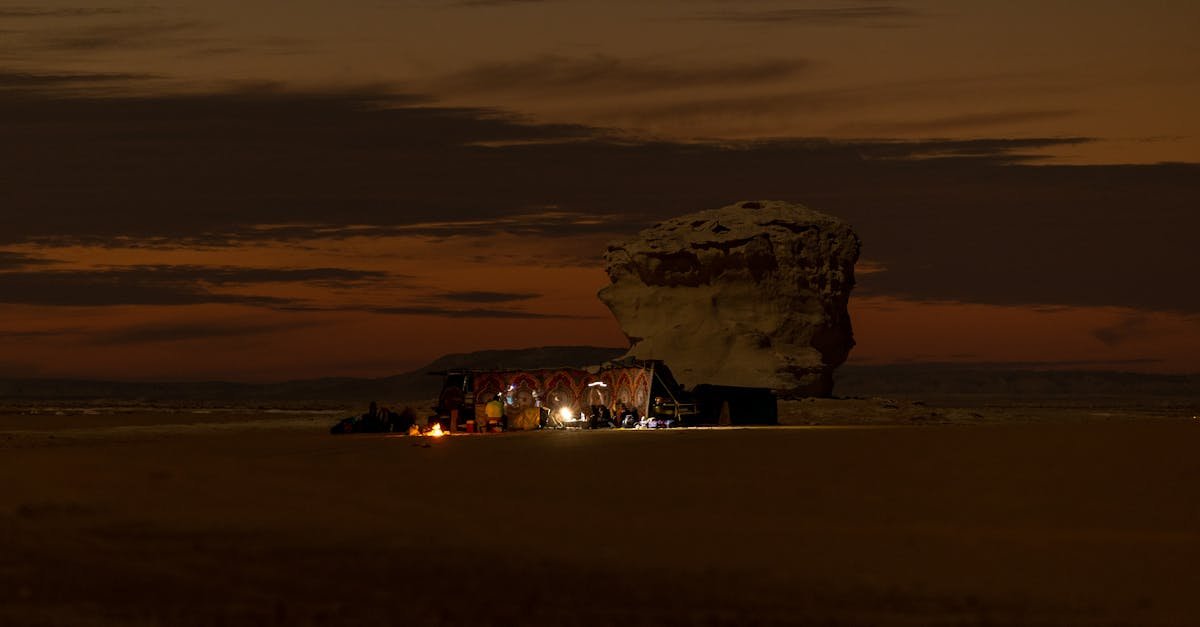
Nature sculpted Jabal AlFil — Elephant Rock — over 50 million years into an uncanny likeness that stands 52 metres tall. At dusk, it turns the colour of a dying ember, best enjoyed over a cocktail at the bar built beneath its trunk.
🌌
Desert Stargazing
With zero light pollution across the Hijaz mountains, AlUla's night sky is a planetarium without a roof. Private guided astronomy sessions with high-powered telescopes reveal nebulae invisible from European cities, making this one of the world's premier stargazing destinations.
🎭
Winter at Tantora
Saudi Arabia's flagship international arts festival transforms AlUla from January to March, bringing world-class musicians, site-specific installations, and culinary events to the ancient valley. Past headliners have included Andrea Bocelli performing beneath sandstone cliffs at sunset.
AlUla's neighbourhoods — where to focus
Heritage Core
AlUla Old Town
The labyrinthine mud-brick old town — inhabited continuously from the 12th to the 1970s — is now being sensitively restored as a living heritage quarter. Atmospheric alleyways open onto artisan workshops and intimate courtyard cafés, making it the most photogenic and humanising part of any AlUla itinerary.
Archaeological Zone
Hegra (Mada'in Salih)
Located 22 kilometres north of the town centre, Hegra is AlUla's headline act: a fenced archaeological zone requiring advance booking where guided groups move between tomb clusters in golf buggies at dawn and dusk. The quality of Nabataean craftsmanship here — falcon friezes, floral cornices, Aramaic epitaphs — is breathtaking at close range.
Natural Sculpture Park
Jabal Ikmah & Harrat Uwayrid
Jabal Ikmah is AlUla's open-air library — a sandstone canyon whose walls are covered in thousands of ancient Lihyanite, Minaic, and Nabataean inscriptions. The surrounding Harrat Uwayrid lava fields provide a dramatic counterpoint: black volcanic rock meeting red sandstone in a landscape of almost Martian strangeness.
Luxury Resort Strip
Sharaan & Ashar Valley
The Ashar Valley and Sharaan Nature Reserve form AlUla's emerging hospitality corridor, where eco-sensitive luxury resorts — including the Jean Nouvel-designed Sharaan Resort — nestle between cliff faces and acacia groves. This is where the most dramatic camp-under-the-stars experiences and high-end spa retreats are concentrated.
Top things to do in AlUla
1. #1 — Sunrise at Hegra
The single most important thing to do in AlUla is to secure a dawn slot at Hegra and arrive as the first light turns the Nabataean tomb façades from grey to gold. Book official timed tickets through the AlUla Experience platform at least four to six weeks in advance — peak winter season slots sell out rapidly, particularly during the Winter at Tantora festival. Your guide will lead you on a golf buggy circuit between the major tomb clusters — Qasr AlFarid, the solitary 'Lonely Castle' tomb that was never finished, is the signature image — pausing for long, unhurried viewing. The scale of the carved chambers and the precision of the 2,000-year-old masonry rewards slow observation; look for the warning inscriptions in Aramaic that curse anyone who desecrates the burial chamber within. Budget a full three to four hours on site and bring more water than you think you need — the desert sun intensifies faster than visitors expect even in January.
2. #2 — Dadan & Jabal Ikmah
While Hegra dominates the AlUla travel conversation, the Dadan site predates it by several centuries and represents the capital of the ancient Dadan and Lihyan kingdoms — civilisations that flourished from the 9th century BCE onward along the incense trade route. The newly opened Dadan visitor experience involves a dramatic cable-car-assisted ascent to rock-cut lion tombs that survey the entire oasis valley below. From Dadan, a short drive brings you to Jabal Ikmah, sometimes called the 'Open Library of AlUla': an atmospheric narrow canyon whose sandstone walls are etched with thousands of inscriptions in ancient Dadanitic, Minaic, and Lihyanite scripts — among the oldest written languages on the Arabian Peninsula. Walk slowly through the gorge in the late afternoon when the light rakes across the inscriptions and makes every symbol leap from the rock. This combination of Dadan and Jabal Ikmah makes for one of the most intellectually rewarding half-days anywhere in the Arabian world.
3. #3 — Canyon Hiking & Off-Road Adventure
AlUla's geology — a complex layering of sandstone, granite, and ancient lava fields — creates extraordinary terrain for guided adventure activities that have only recently been formally developed for tourism. The best hiking in AlUla focuses on the slot canyons of the Ashar and Wadi Al Disah corridors, where polished rock walls narrow to shoulder-width and the canyon floor is carpeted with smooth pebbles deposited by ancient flash floods. Several operators now offer multi-hour guided treks through these formations that include rope-assisted scrambles and sections where you wade through shallow rock pools. For those who prefer four wheels, guided 4x4 excursions into the Harrat Uwayrid lava fields deliver an entirely different landscape — black basalt boulders the size of houses scattered across a plateau that stretches towards the Jordanian border. Evening off-road experiences timed to end at a high vantage point for sunset are among the most popular and memorable things to do in AlUla, particularly when combined with a traditional Arabic coffee and date ceremony in the desert.
4. #4 — AlUla Old Town & Oasis Walk
No AlUla itinerary is complete without time spent at ground level in the old town and the working oasis that has sustained the valley's human population for seven millennia. The old town restoration project has carefully reopened the dense mud-brick labyrinth — at its peak, over 700 houses were crammed into this single hilltop — with an interpretive trail that passes the old mosque, water cisterns, and merchant houses whose carved wooden doors were imported from Yemen and India. Morning is the ideal time to explore before the heat builds; local guides offer context that the signage alone cannot provide. Afterwards, descend into the date-palm oasis — over 2.5 million palms shading citrus groves and vegetable plots — and walk the shaded irrigation channels known as aflaj that distribute mountain spring water exactly as they have since the Bronze Age. Stop at the AlUla Oasis Souq on a Friday morning, when local farmers sell fresh dates, dried herbs, and hand-thrown pottery in a scene that feels genuinely unchanged by the tourism boom developing a few kilometres away.
What to eat in the AlUla Oasis Valley — the essential list
Jareesh
AlUla's most beloved comfort dish: cracked wheat slow-cooked with lamb, ghee, and caramelised onion until it reaches a rich, porridge-like consistency. Traditionally served at communal gatherings, it is warming, deeply flavoured, and unlike anything found in European kitchens.
Mandi Lamb
Whole lamb slow-cooked in an underground tandoor over smouldering tamarind wood, yielding meat that falls off the bone and perfumes the surrounding desert air. The rice beneath absorbs the dripping fat and spiced broth, making it the defining celebratory meal of north-western Saudi Arabia.
AlUla Dates
The oasis produces several heritage date varieties, including the prized Sukkari and Barhi cultivars, sold fresh from palm to plate in the winter harvest season. Eaten soft and honey-sweet at the source, they bear no resemblance to the dried exports found in European supermarkets.
Harees
A Ramadan staple throughout the Hijaz region, harees is slow-pounded wheat and lamb reduced to a silky, lightly spiced paste that is finished with clarified butter. Its simplicity belies its depth; eating it in an AlUla courtyard with cardamom coffee alongside is an experience unto itself.
Saleeg Rice
White rice simmered slowly in broth and whole milk until creamy and pillowy, then topped with poached chicken and served with a smoky tomato dipping sauce. Saleeg is the comfort food of the Hijaz — understated, nourishing, and surprisingly addictive.
Qahwa & Tamr
The ritual pairing of cardamom-spiked Arabic coffee and fresh Sukkari dates is AlUla's social lubricant — offered at every camp, guesthouse, and tour starting point. The pale green coffee is lightly bitter and aromatic, calibrated to be drunk in tiny handleless cups through three or four refills.
Where to eat in AlUla — our top 4 picks
Fine Dining
Araika Restaurant
📍 Banyan Tree AlUla, Ashar Valley, AlUla 51923
Perched within the Banyan Tree resort with canyon walls rising on three sides, Araika offers a menu of contemporary Saudi and Levantine cuisine built around oasis-grown produce and sustainably sourced Red Sea seafood. The eight-course tasting menu, served alfresco on cool winter evenings with candlelight reflecting off sandstone, is the finest dining experience currently available in AlUla.
Fancy & Photogenic
Dinner in the Void
📍 Maraya Concert Hall, AlUla, Medina Region 51923
Hosted inside or immediately beside Maraya — the world's largest mirrored building, which reflects the surrounding sandstone mountains — Dinner in the Void is as much performance art as restaurant experience. The seasonal menu changes with the Winter at Tantora programme, and the visual spectacle of seeing the entire canyon landscape reflected and multiplied by Maraya's façade is genuinely jaw-dropping.
Good & Authentic
Ayla Restaurant
📍 AlUla Old Town Visitor Centre, AlUla 51923
Set within the restored old town complex, Ayla serves honest Hijazi home cooking — mandi, jareesh, saleeg — in a vaulted dining room where the mud-brick walls have been left deliberately unplastered to show their 700-year layering. It is the best place in AlUla to eat the way the valley's inhabitants have always eaten, at prices that feel refreshingly modest relative to the resort restaurants.
The Unexpected
Elephant Rock Restaurant & Bar
📍 Jabal AlFil, AlUla Desert, AlUla 51923
Built directly beneath the 52-metre sandstone monolith known as Elephant Rock, this open-air bar and restaurant serves craft mocktails, mezze plates, and wood-fired flatbreads as the setting sun turns the rock face through every shade of amber and crimson. It is the most atmospheric sundowner spot in Saudi Arabia and a rite of passage for any first-time AlUla visitor.
AlUla's Café Culture — top 3 cafés
The Institution
Hijazi Coffee House
📍 AlUla Old Town Souq, AlUla 51923
Tucked into a restored merchant's stall in the old town souq, this small roastery has been serving qahwa — traditional spiced Arabic coffee — to locals and traders for decades. The owner roasts single-origin Yemeni beans on-site; the smell of cardamom drifts into the alley and pulls you in before you have consciously decided to enter.
The Aesthetic Hub
Wadi AlUla Speciality Café
📍 AlUla Experience Centre, Alula 51923
The AlUla Experience Centre's in-house café occupies a beautifully designed space of rammed earth walls and filtered canyon views, serving single-origin filter coffee, date-sweetened lattes, and house-baked ma'amoul pastries. It is the natural gathering point for design-conscious travellers between site visits and has a curated selection of AlUla-produced artisan goods for sale alongside.
The Local Hangout
Palm Oasis Café
📍 AlUla Oasis Road, near the Friday Souq, AlUla 51923
A breezy, no-frills family-run café shaded by mature date palms at the edge of the working oasis, serving thick Saudi chai, fresh date smoothies, and toasted bread with local honey. The clientele is overwhelmingly local farmers and oasis workers, which makes it the most genuine cultural encounter a visitor can have over a simple cup of tea in AlUla.
Best time to visit AlUla
Jan
Feb
Mar
Apr
May
Jun
Jul
Aug
Sep
Oct
Nov
Dec
Peak Season (Jan–Mar & Dec) — Cool days 18–24°C, blue skies, Winter at Tantora festival, best Hegra lightShoulder Season (Apr & Nov) — Warming but manageable, fewer crowds, good value on resortsSummer & Early Autumn (May–Oct) — Extreme heat 38–45°C, limited outdoor activities, reduced programming
AlUla events & festivals 2026
Whether you're planning around a specific celebration or simply want to know what's happening, this guide covers the best events and festivals in AlUla — from major annual traditions to cultural highlights worth timing your trip around.
January 2026culture
Winter at Tantora Festival — Opening
Saudi Arabia's most prestigious cultural festival officially opens at AlUla each January, transforming the ancient valley into a stage for world-class music, contemporary art, and culinary events. Things to do in AlUla in January include attending open-air concerts at the mirrored Maraya building and exploring site-specific art installations among the Nabataean tombs.
February 2026music
Maraya Concert Series
The Maraya concert programme — staged inside and around the world's largest mirrored building — reaches its peak in February, with international classical, jazz, and Arabic music performers on the bill. Past headliners at this AlUla landmark event have included Andrea Bocelli, Yanni, and major Arabic pop artists drawing audiences from across the Gulf.
March 2026culture
AlUla Arts Biennial
Presented as part of the broader Winter at Tantora season, the AlUla Arts Biennial commissions site-specific artworks from internationally acclaimed artists — often incorporating the sandstone cliffs, desert floor, and ancient ruins as integral elements of each piece. The biennial has rapidly become one of the most distinctive contemporary art events in the Middle East.
March 2026culture
AlUla Camel Festival
One of the best AlUla festivals for experiencing authentic Saudi Bedouin culture, the annual Camel Festival brings hundreds of prize camels and their owners to a spectacular desert setting for judging, racing, and traditional ceremony. Visitors gain rare access to the world of Saudi camel breeders and the proud tribal culture that surrounds this ancient animal.
April 2026culture
AlUla Date Harvest Festival
As temperatures begin to climb in April, the oasis date-palm harvest season opens and AlUla's farming community celebrates with a small festival centred on the Friday Souq. Visitors can participate in guided harvest walks, date variety tastings, and demonstrations of traditional palm-climbing techniques that have changed little in seven millennia.
September 2026culture
Saudi National Heritage Day Events
Saudi National Heritage Day in September prompts a series of localised cultural events across AlUla, including guided heritage walks through the old town, traditional music performances, and free community access to usually ticketed archaeological sites. While summer heat limits outdoor programming, the heritage day events are held primarily in the cool of the evening.
October 2026culture
AlUla Season Launch
The Royal Commission for AlUla officially launches its new winter cultural season each October as temperatures return to comfortable levels, with a series of preview events, new tour programme reveals, and resort introductory offers for early-season visitors. This marks the beginning of the best time to visit AlUla and is increasingly a destination event in itself.
November 2026market
AlUla Artisan Market
A curated outdoor artisan market held at the old town visitor centre complex, bringing together craftspeople from across the Medina region to sell hand-thrown pottery, silver jewellery, woven textiles, and oasis-sourced food products. The market is deliberately small-scale and local in character, making it one of the most authentic shopping experiences in Saudi Arabia.
December 2026music
Winter at Tantora Pre-Season Concerts
The Winter at Tantora festival begins its soft opening in December with a curated programme of smaller intimate concerts and cultural dinners, many staged directly among the rock formations and heritage sites of the AlUla valley. December is increasingly popular with European visitors as a Christmas-period alternative that combines culture, warmth, and extraordinary landscape.
December 2026religious
AlUla Hijri New Year Observances
The Islamic Hijri New Year is observed across AlUla with community gatherings, recitations, and the display of traditional lanterns throughout the old town alleys and oasis perimeter. While not a public spectacle in the Western festival sense, the atmosphere of quiet community celebration in the ancient mud-brick quarter is genuinely moving for visitors who encounter it.
Mid-range desert camp or three-star hotel, group tours to Hegra, meals at Ayla and local restaurants, shared transport.
€€€€ Luxury
€350–550/day
Boutique cliff resort (Habitas, Banyan Tree), private Hegra guides, fine dining at Araika, private 4x4 excursions included.
€€€€€ Ultra-Luxury
€550+/day
Jean Nouvel's Sharaan Resort, exclusive site access, private chef, helicopter panorama flights, bespoke Winter at Tantora packages.
Getting to and around AlUla (Transport Tips)
By air: AlUla is served by AlUla Regional Airport (ULH), which has received direct international charter flights from Europe during the winter season since 2023, primarily operated by Saudia and partner airlines from London, Paris, and Frankfurt. Most year-round scheduled flights connect through Riyadh (RUH) or Jeddah (JED) with a short onward domestic leg, typically adding two to three hours of transit time.
From the airport: AlUla Regional Airport is just 18 kilometres from the main hotel and resort cluster in the valley, making transfers comfortably short — typically 20 to 30 minutes by road. The vast majority of luxury resorts include complimentary airport transfer as standard, so arrange this directly with your accommodation before travel. Taxis are available but metered services are inconsistent; agree a fare in advance or use the resort shuttle. There is currently no public bus service between the airport and town.
Getting around the city: AlUla is a spread-out destination spanning over 20 kilometres from the old town to Hegra, and a private vehicle or resort-arranged transfers are effectively essential for visiting the major sites. Most resorts offer daily excursion shuttles to Hegra, Dadan, and Jabal Ikmah as part of their activity programmes, covering the main things to do in AlUla without requiring a rental car. Rideshare apps including Careem operate within the valley for shorter journeys. Cycling and e-bike trails are being developed along the oasis road and old town perimeter for the cooler winter months.
Transport Safety & Scam Prevention:
Book Hegra Tickets in Advance: Hegra operates strictly timed and numbered entry — there are no walk-up tickets available at the gate. Book through the official AlUla Experience platform at experiencealula.com at least four to six weeks ahead in peak season (January to March), as slots sell out completely during Winter at Tantora events.
Verify Tour Operator Accreditation: AlUla's rapid tourism growth has attracted unaccredited guides offering unofficial site access at discounted prices. Only use Royal Commission for AlUla-licensed operators — accreditation is displayed on the official experience platform — as unaccredited tours frequently result in denied site entry without refund.
Understand Dress Code Requirements: Saudi Arabia requires all visitors — male and female — to dress modestly at heritage sites and in public spaces. Women are not required to wear an abaya but shoulders and knees must be covered. Pack a lightweight layer for site visits; several visitors have been turned away from Hegra ticketing for inappropriate dress, losing their timed-entry slot.
Do I need a visa for AlUla?
Visa requirements for AlUla depend on your nationality. Select your passport below for an instant answer — based on the Passport Index dataset for entry into Saudi Arabia.
ℹ️ Indicative only. Always verify with the official consulate before booking. Data: Passport Index, April 2026.
For detailed requirements, documentation checklists and processing times by nationality: TravelDoc →
Search & Book your trip to AlUla
Find the best flight routes and hotel combinations using our partner Kiwi.com.
Frequently Asked Questions
Is AlUla safe for tourists?
AlUla is extremely safe for tourists, consistently rated among Saudi Arabia's most visitor-friendly destinations. The Royal Commission for AlUla has invested heavily in tourist infrastructure, licensed guide networks, and site security, and violent crime against visitors is virtually unheard of. Female travellers can explore AlUla confidently; the dress code requires modest clothing (shoulders and knees covered) but the abaya is not mandatory for foreign visitors. Standard sensible precautions — keeping valuables secure, booking licensed operators — apply as they would anywhere. The local population is overwhelmingly welcoming of international visitors, particularly Europeans, who are seen as a positive sign of AlUla's growing global recognition.
Can I drink the tap water in AlUla?
Tap water in AlUla is technically treated and meets Saudi municipal standards, but is not recommended for drinking by visitors due to high mineral content and localised pipe variability — the same advice that applies across most of Saudi Arabia. Bottled water is inexpensive, widely available at every resort, restaurant, and petrol station, and should be your default for drinking and teeth-brushing. All hotels and resorts provide complimentary bottled water; replenish your supply before heading to archaeological sites such as Hegra, where there are no water points on-site and the desert sun depletes hydration faster than visitors expect.
What is the best time to visit AlUla?
The best time to visit AlUla is between January and March, when daytime temperatures sit at a pleasant 18–24°C, the sky is reliably cloudless, and the Winter at Tantora cultural festival fills the valley with concerts, art installations, and culinary events. December is a strong shoulder option with pre-season festival programming and fewer crowds than January. April remains manageable but temperatures climb towards 30°C by mid-month. Avoid May through September entirely if outdoor exploration is your goal — summer temperatures regularly hit 42–45°C, most outdoor activities are suspended, and the cultural programme closes down completely. November is the quietest month with good weather and the best resort pricing of the year.
How many days do you need in AlUla?
A minimum of four days is needed to visit AlUla's headline sites — Hegra, Dadan, Jabal Ikmah, and the old town — without feeling rushed, assuming you spend a full half-day at each. Five to seven days is the ideal AlUla itinerary for travellers who want to combine the archaeology with adventure activities such as canyon hiking and 4x4 desert exploration, plus an evening concert at Maraya during the Winter at Tantora season. Ten days is appropriate for those combining AlUla with a day trip to the volcanic Khaybar craters or an extension into Tabuk and the Gulf of Aqaba. First-time visitors consistently say they wished they had booked at least one extra day — AlUla has a way of slowing you down in the best possible sense.
AlUla vs Petra — which should you choose?
AlUla and Petra share a Nabataean heritage and rose-red sandstone aesthetic, but the experience of visiting each is fundamentally different. Petra is more developed, more diverse in its ruins, and embedded within a broader Jordan itinerary that includes Wadi Rum and the Dead Sea — it suits first-time Middle East visitors. AlUla is the better choice for travellers who have already done Petra and want something more exclusive, more immersive, and more culturally layered: the Dadan and Lihyan kingdoms predate the Nabataeans by centuries, and the living oasis context gives AlUla a depth that purely archaeological Petra cannot match. AlUla is also significantly more expensive, and the luxury resort infrastructure is more polished. If budget permits just one destination, experienced travellers tend to rate AlUla as the more surprising and emotionally resonant of the two.
Do people speak English in AlUla?
English is widely spoken in AlUla's tourism-facing environments — all licensed guides, resort staff, and major restaurants operate comfortably in English, and the official AlUla Experience platform and on-site interpretation at Hegra, Dadan, and Jabal Ikmah are all available in English to a high standard. Outside the tourism infrastructure, English proficiency is more variable among local shop owners and taxi drivers, but Arabic is genuinely appreciated and even a few words of greeting — marhaba (hello), shukran (thank you) — are warmly received by residents. The Royal Commission for AlUla has made English-language visitor experience a priority as part of its international tourism strategy, so communication is rarely a practical barrier for European travellers.
★ Hidden Gems Weekly
Like this? One place per week, in your inbox.
No spam, no fluff — just one underrated destination, every Tuesday.
Hand-picked and verified by Max, who founded Vacanexus from Luxembourg in 2026. No sponsorships, no paid placements. Every recommendation — restaurants, neighbourhoods, things to do — is selected for authenticity over popularity.