⏱ 11 min read📅 Updated 2026💶 € Budget✈️ Best: Apr–Sep
€25–50/day
Daily budget
Apr–Sep
Best time
2–4 days
Ideal stay
ALL (Lek)
Currency
Berat rises from the Osumi River like a living fresco, its whitewashed Ottoman houses stacked in dense rows up two opposing hillsides, each façade pierced by so many tall windows that locals long ago dubbed it the City of a Thousand Windows. At dusk, when warm amber light pours through those arched panes, Berat takes on a theatrical quality unlike anywhere else in the Balkans. The air carries the scent of fig trees and diesel smoke, church bells from a Byzantine tower compete with a distant muezzin, and old men play chess under mulberry shade. This is a city that has been continuously inhabited for over 2,400 years, layering Illyrian, Roman, Byzantine, and Ottoman chapters into a single, improbably beautiful skyline.
Visiting Berat rewards slow travelers who are willing to exchange beach-holiday convenience for something far more textured. Unlike the Albanian Riviera resorts to the south or the capital Tirana to the north, Berat offers things to do in a genuinely pedestrian scale — cobbled lanes barely wide enough for a loaded donkey, living neighborhoods inside a medieval castle, and a wine tradition rooted in varieties most Europeans have never heard of. Crowds remain light even in summer, prices are among the lowest in Europe, and every steep alley opens onto a view that feels stolen from a Renaissance painting. For travelers who equate depth with distance, Berat is a rare and affordable revelation.
✦ Find your perfect destination
Is Berat really your perfect match?
Answer 12 quick questions about your travel style, budget and dates — we match you with the destinations that fit you best, from 600+ worldwide.
Berat is one of UNESCO's best-kept secrets in southeastern Europe, inscribed on the World Heritage List since 2008 for its rare collection of intact Ottoman and Byzantine architecture. What sets Berat apart is that its historic quarters are not museum pieces — people still live, cook, and raise children inside the castle walls of Kalaja. The local Shpirti wine, pressed from the indigenous Shesh i Zi grape, costs less than a coffee in Paris. Add road-trip proximity to Gjirokastër and the Albanian Riviera, and Berat becomes an obvious anchor for any southern Albania itinerary.
The case for going now: Albania's EU candidate status is accelerating investment in roads and hospitality without yet inflating prices — the €25 guesthouse breakfast with homemade byrek and mountain honey still exists. Budget airlines now connect Tirana to a dozen more European cities year-round, shaving hours off the journey to Berat. Visit before boutique-hotel chains and Instagram crowds discover what Albanian independent travelers have known for years.
🏰
Kalaja Castle
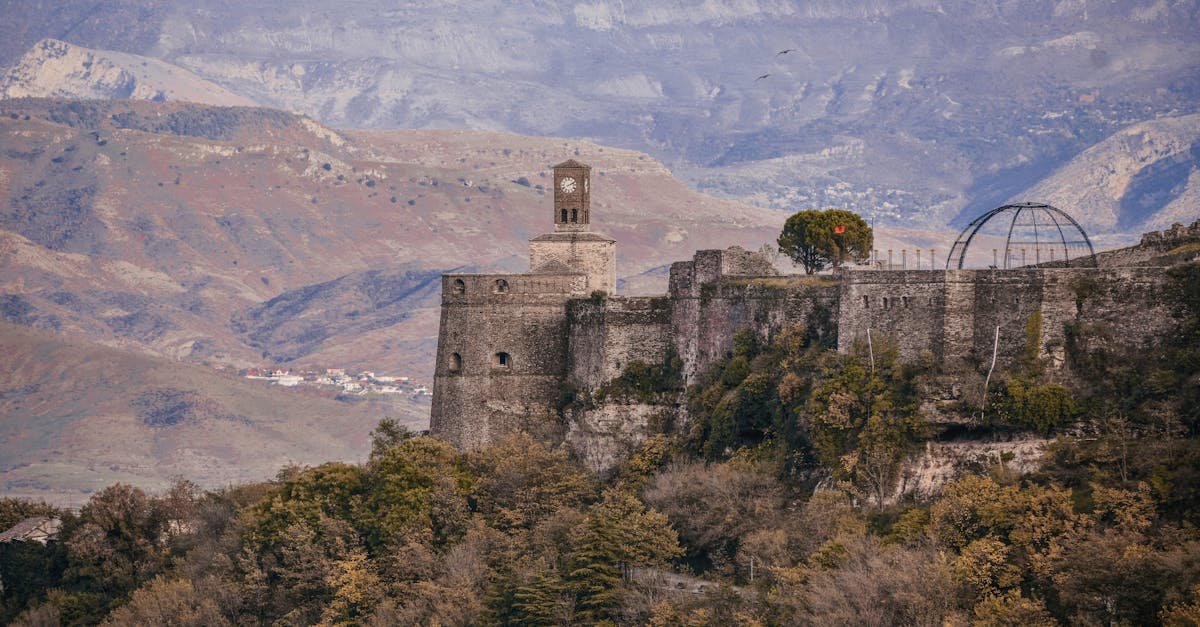
Climb to Berat's living castle, where families hang laundry between Byzantine ramparts and the view over the Osumi valley stretches to the Tomorr massif. The silence inside is extraordinary.
🍷
Indigenous Wine Tasting
Sample Shesh i Zi and Kalaja red wines at family cellars tucked below the castle. Albanian viticulture is thousands of years old, yet these grape varieties remain virtually unknown outside the country.
🕌
Mangalem Quarter
Wander the Ottoman riverside quarter where three-storey houses lean over cobbled lanes. Each projecting bay window — called a çardak — was designed to let residents watch the street unseen.
🎨
Onufri Icon Museum
Inside the Cathedral of the Dormition of St Mary, discover the blazing reds of 16th-century master Onufri — an Albanian painter whose technique rivalled Byzantine masters across the Orthodox world.
Berat's neighbourhoods — where to focus
Living Castle
Kalaja
Kalaja is Berat's hilltop citadel — a fortified neighborhood still inhabited by a small community. Inside the thick stone walls you'll find Byzantine churches converted to museums, a vine-covered café, crumbling towers, and sweeping views over both the Mangalem and Gorica quarters below.
Ottoman Heart
Mangalem
Mangalem is the classic Berat postcard: dense rows of white houses with oversize windows climbing the western hillside directly above the Osumi River. Most guesthouses, restaurants, and the famous view of facing façades are concentrated here, making it the natural base for first-time visitors.
Quiet & Local
Gorica
Across the old stone bridge from Mangalem, Gorica is the mellower, greener sibling. Its houses face back toward Mangalem, creating the iconic mirrored-hillside panorama. A handful of small cafés and a local bakery serve the residents rather than tourists, giving Gorica an authentically unhurried feel.
Modern & Practical
New Berat
Stretching along the Osumi flats, New Berat is where supermarkets, the bus station, banks and pharmacies cluster. It lacks the historic drama of the hillside quarters but offers practical guesthouses at rock-bottom prices and a lively morning market where farmers sell vegetables, cheese, and wild herbs.
Top things to do in Berat
1. Explore Kalaja Castle & Its Churches
No Berat itinerary is complete without spending at least half a day inside Kalaja, the medieval citadel that crowns the western hill at roughly 190 metres above sea level. Entry is free and unrestricted — you simply walk up through the Gate of the Iron Fortress and into a neighborhood that has been inhabited since the 4th century BC. Inside the walls, over thirty Byzantine churches once stood; today the most important is the Cathedral of the Dormition of St Mary, now home to the Onufri National Icon Museum. The paintings inside, rendered in an unmistakable scarlet pigment that Onufri reportedly made from pomegranate seeds, are genuinely world-class. Allow extra time to wander past the ruined towers, read the Ottoman inscriptions above doorways, and find a spot on the northern rampart where the view of the Osumi valley and the snow-capped peak of Mount Tomorr creates one of the most quietly magnificent panoramas in the Balkans.
2. Walk the Gorica Stone Bridge
The Ottoman stone bridge connecting Mangalem to the Gorica quarter is one of the most photographed spots in Berat, and with good reason — it frames a perfect reflection of the riverside houses on still mornings. Built in the 18th century with seven arches spanning the Osumi, the bridge was the only river crossing in the city for over two centuries. Walking across it in either direction rewards you with the dual-hillside perspective that defines Berat's skyline: whitewashed window-studded houses cascading down both slopes simultaneously. In spring, when the oleander and wisteria flower along the banks and local fishermen try their luck in the river shallows, the scene feels almost impossibly picturesque. Cross at golden hour for photography, then continue into Gorica to find a tiny café where locals play dominoes under a fig tree.
3. Taste Albanian Wine at a Family Cellar
Berat sits at the heart of one of Albania's oldest wine-growing regions, and a visit to a local family cellar is one of the most memorable things to do in Berat for any food and drink enthusiast. The indigenous Shesh i Zi grape produces a full-bodied, deeply coloured red that is virtually impossible to find outside the country — making every glass feel like a small discovery. Several guesthouses in the Mangalem and Kalaja quarters offer informal tastings paired with local cheese, olives, and the savoury cornbread called bukë misri. Ferdi Winery and smaller operations near the castle gate welcome walk-in guests for unpretentious pours that cost a fraction of comparable experiences in Tuscany or the Douro. Ask your host for an introduction — Berat's wine culture runs on personal connection rather than polished tasting rooms, which makes it all the more genuine.
4. Day Trip to the Osumi River Canyon
Thirty kilometres northeast of Berat, the Osumi River has carved a spectacular canyon of cream-coloured limestone cliffs reaching up to 80 metres high, with a chain of turquoise swimming pools and waterfalls at the bottom accessible by rubber raft. The canyon is one of Albania's most dramatic natural landscapes and makes an ideal half-day excursion from Berat, particularly in late spring when snowmelt swells the river to photogenic levels. Local operators in Berat organize guided rafting and hiking trips that take you through the narrowest slot sections — some barely three metres wide — where the canyon walls form a natural cathedral overhead. Bring water shoes, a dry bag for your camera, and a tolerance for cold water. The excursion is typically priced under €25 per person including a simple riverside lunch, which makes it one of the most extraordinary value outdoor adventures in all of southeastern Europe.
What to eat in Southern Albania — the essential list
Byrek me Spinaq
Albania's beloved filo pastry stuffed with spinach and white cheese is at its finest in Berat, where bakeries produce it in vast round trays. A slice costs around 50 lek and makes the perfect mid-morning fuel for castle climbing.
Tavë Kosi
The national dish of Albania, tavë kosi is a baked casserole of lamb or veal smothered in a tangy yoghurt and egg custard. Every family in Berat has its own recipe; the guesthouse version, cooked in an earthenware pot, is invariably better than any restaurant version.
Fergese Beratase
This Berat-specific specialty is a rich, bubbling skillet of roasted peppers, tomatoes, and local white cheese finished with olive oil. Deeply savoury and served with crusty bread, it is named after the city and considered the dish that best represents Berat's culinary identity.
Shesh i Zi Wine
Indigenous to central Albania, this dark-skinned grape produces an earthy, plum-forward red wine with surprising structure. Served at cellar temperature from unlabelled bottles in most Berat guesthouses, it costs almost nothing and tastes like a secret the rest of Europe hasn't found yet.
Qofte Tiganisura
Small pan-fried meatballs seasoned with dried oregano and served with pickled peppers and raw onion, qofte are Albania's favourite street meat. In Berat they are often grilled over charcoal at roadside stands near the bridge and eaten standing up, wrapped in flatbread.
Sultani
A traditional Albanian dessert of creamy rice pudding perfumed with vanilla and topped with a caramelised crust, sultani is found in older-style restaurants and family tables throughout Berat. Simple, warming, and utterly satisfying after a long day of hillside walking.
Where to eat in Berat — our top 4 picks
Fine Dining
Restaurant Antigonea
📍 Rruga Antigonje, Mangalem Quarter, Berat
Set in a restored Ottoman mansion with exposed timber beams and a terrace overlooking the Osumi, Antigonea serves elevated Albanian cuisine including house-aged lamb chops and a legendary fergese beratase. The wine list is exclusively Albanian, curated with obvious care. Reserve ahead in summer.
Fancy & Photogenic
Kala Bar & Restaurant
📍 Inside Kalaja Fortress, Berat
There is nowhere in Berat more dramatically located than this vine-draped terrace built into the castle ramparts. Kala serves simple grilled meats, local wine, and raki while you watch the sun drop behind the Osumi valley. The photographic light at golden hour makes it essential even if you only order a drink.
Good & Authentic
Restaurant Berat Castle
📍 Rruga Kalaja, Kalaja Quarter, Berat
A no-frills family table inside the castle walls where the menu changes daily based on market ingredients. The mother cooks while the son explains each dish in enthusiastic broken English. Prices are astonishingly low, portions generous, and the byrek made each morning. Pure authentic Berat hospitality.
The Unexpected
Opa Restaurant & Cocktail Bar
📍 Rruga Mihal Komneno, New Berat
In a city where most restaurants close by 10pm, Opa keeps the Berat nightlife scene alive with imaginative cocktails using raki as a base spirit. The food menu includes Albanian mezze boards and surprisingly good pizza. Younger locals and backpackers converge here for an evening far livelier than Berat's sleepy reputation suggests.
Berat's Café Culture — top 3 cafés
The Institution
Café Millennium
📍 Bulevardi Republika, New Berat
The oldest continuously operating café in Berat serves its espresso the traditional Albanian way — strong, short, and accompanied by a glass of cold water and a single wrapped sweet. Regulars have occupied the same pavement table for decades. This is where Berat's intellectual and political life is conducted over tiny cups.
The Aesthetic Hub
White House Café
📍 Mangalem Quarter, above the riverside, Berat
Set inside a lovingly restored Ottoman house with original painted ceilings, White House Café is the most visually striking coffee stop in Berat. Filtered specialty coffee sits alongside homemade walnut cake and local honey. The interior doubles as a gallery for local painters, changing monthly throughout the summer season.
The Local Hangout
Bar Panorama
📍 Gorica Hill, Berat
A simple terrace café on the Gorica hillside where students and off-duty guesthouse owners drink bitter coffee and watch the afternoon light transform the Mangalem façades opposite. No Wi-Fi, no English menu, no pretension — just the best unobstructed view of the iconic thousand-windows panorama over a 100-lek espresso.
Best time to visit Berat
Jan
Feb
Mar
Apr
May
Jun
Jul
Aug
Sep
Oct
Nov
Dec
Peak season (Apr–Sep) — warm, dry, long days ideal for castle walks and river excursionsShoulder season (Mar & Oct) — mild and uncrowded, occasional rain, olive harvest in OctoberLow season (Nov–Feb) — cold and quiet, some guesthouses close, but Christmas markets and raki season have charm
Berat events & festivals 2026
Whether you're planning around a specific celebration or simply want to know what's happening, this guide covers the best events and festivals in Berat — from major annual traditions to cultural highlights worth timing your trip around.
July 2026culture
Berat UNESCO City Festival
One of the Local and regional folk groups perform each evening for a week.
August 2026music
Tomorr Mountain Pilgrimage & Festival
Each August, tens of thousands of Bektashi Muslim pilgrims ascend sacred Mount Tomorr for three days of prayer, music, and communal celebration at the Baba Ali Teke shrine. Travellers visiting Berat in August can join the mountain trail for a profound and rarely witnessed Balkan spiritual spectacle.
September 2026culture
Berat Wine Harvest Festival
When the Shesh i Zi and Kalaja grape varieties are ready for picking, Berat's wine-growing families invite visitors to participate in the harvest. Expect folk music, enormous shared tables of food, and rivers of young wine poured freely in the vineyards and courtyards around the city.
April 2026religious
Orthodox Easter in Kalaja
Easter is the most atmospheric time inside Berat's castle quarter. The small Orthodox community within Kalaja celebrates with midnight liturgies inside Byzantine churches lit entirely by candlelight. The procession through the castle lanes is one of the most intimate religious experiences in Albania.
June 2026culture
Midsummer Night in Mangalem
Local cultural associations organise a midsummer street event through the Mangalem quarter with live music on balconies, open house evenings in restored Ottoman homes, and food stalls selling fergese, qofte, and homemade raki. Free entry and deeply local in character, it is rarely advertised beyond the city.
October 2026market
Berat Olive & Produce Market
October marks the Albanian olive harvest, and Berat's weekly market expands significantly with producers from surrounding villages selling pressed oil, pickled vegetables, wild mushrooms, and walnuts. An ideal time for food-focused travellers to stock up on regional ingredients and meet local producers directly.
May 2026culture
International Museum Night
Berat joins the European Museum Night initiative in May, opening the Onufri Icon Museum, the Ethnographic Museum, and several restored Ottoman houses free of charge until midnight. Guided candlelit tours of Kalaja castle are particularly popular — book through your guesthouse as spaces fill fast.
December 2026market
Berat Winter Craft Market
A modest but charming winter market sets up along the Bulevardi Republika in early December, selling hand-woven rugs, filigree jewellery, raki gift sets, and local preserves. The smell of roasting chestnuts and mulled grape juice makes visiting Berat in December more appealing than most expect.
March 2026culture
Dita e Verës — Summer Day Festival
On March 14th, Albanians celebrate Dita e Verës, a pagan spring festival marking the end of winter. In Berat, locals light bonfires by the riverside, share coloured eggs and sweet bread called ballokume, and perform traditional circle dances well into the night. A genuinely joyful national celebration.
November 2026culture
Albanian Independence Day
Albania's November 28th Independence Day is marked in Berat with flag-raising ceremonies at the castle gate, military band performances along the main boulevard, and school pageants in traditional dress. Hotels fill with domestic tourists and the city feels proudly, warmly patriotic for the long weekend.
Dorm bed or simple guesthouse, byrek breakfast, taverna dinners, free castle entry — Berat is genuinely one of Europe's cheapest cultural destinations.
€€ Mid-range
€35–70/day
Boutique guesthouse with breakfast, restaurant meals, wine tastings, and a guided Osumi canyon day trip included without strain.
€€€ Comfort
€70+/day
Restored Ottoman guesthouse suite, private guide for Kalaja, cooking classes, wine cellar visits, and a Mount Tomorr excursion with transfers.
Getting to and around Berat (Transport Tips)
By air: The nearest airport to Berat is Tirana International Airport (TIA), approximately 120 kilometres north. Low-cost carriers including Wizz Air, easyJet, and Ryanair connect Tirana to London, Rome, Vienna, Amsterdam, and a dozen other European cities year-round, with fares frequently under €60 one-way.
From the airport: From Tirana Airport, the fastest route to Berat is to take the Rinas Express bus into central Tirana (€2.50), then a furgon (shared minibus) from Tirana's southern bus station directly to Berat for around 500 lek (€5). The journey takes approximately two to two-and-a-half hours depending on traffic. Taxis from Tirana Airport directly to Berat cost roughly €60–70 and take the same time but offer door-to-door convenience.
Getting around the city: Berat's historic quarters — Kalaja, Mangalem, and Gorica — are all walkable from each other, though the castle climb requires reasonable fitness. The city has no tram or metro system. Local taxis are inexpensive (150–300 lek for a ride within the city). For day trips to the Osumi Canyon or Mount Tomorr, book through your guesthouse or a local tour operator who can arrange shared transfers at affordable rates.
Transport Safety & Scam Prevention:
Agree taxi fares before you get in: Berat taxis rarely use meters. Always agree the price in lek before entering the vehicle. The airport-to-Berat taxi fare should not exceed 6,000–7,000 lek; anything quoted above that is aimed specifically at new arrivals.
Use official furgon stops in Tirana: Berat-bound furgons depart from a specific stop near the Kombinat area in southern Tirana. Touts may offer to escort you there for a fee — the stop is well-signed and the walk from the bus station is straightforward. There is no reason to pay for assistance.
Exchange currency at banks, not hotels: The Albanian lek is not widely available outside Albania, so most visitors exchange euros on arrival. Banks and licensed exchange offices in Berat offer better rates than hotels or guesthouses. Keep small lek notes handy as many local stalls and bakeries cannot break large bills.
Do I need a visa for Berat?
Visa requirements for Berat depend on your nationality. Select your passport below for an instant answer — based on the Passport Index dataset for entry into Albania.
ℹ️ Indicative only. Always verify with the official consulate before booking. Data: Passport Index, April 2026.
For detailed requirements, documentation checklists and processing times by nationality: TravelDoc →
Search & Book your trip to Berat
Find the best flight routes and hotel combinations using our partner Kiwi.com.
Frequently Asked Questions
Is Berat safe for tourists?
Berat is one of the safest cities for tourists in the Western Balkans. Violent crime is extremely rare, petty theft is uncommon compared to other European destinations, and locals are famously hospitable — the Albanian concept of besa, or sacred hospitality, runs deep. Solo travellers including women travelling alone report feeling comfortable throughout the city at all hours. The main thing to exercise care about is uneven cobblestones on steep hillside paths after dark, particularly in the Mangalem and Kalaja quarters. Standard urban awareness applies but genuine threats to personal safety are minimal.
Can I drink the tap water in Berat?
Tap water in Berat is technically treated but locals and most experienced travellers prefer to drink bottled water due to older pipe infrastructure in the historic quarters. Bottled water is extremely cheap — 500ml costs around 30 lek (€0.25). In guesthouses, hosts typically provide a bottle on arrival. The tap water is fine for brushing teeth and showering. In the Kalaja castle area in particular, it is advisable to carry a refillable bottle and purchase water at the café inside the fortress walls.
What is the best time to visit Berat?
The best time to visit Berat is April through June or September, when temperatures are warm but not oppressive, the hillside vegetation is green, and crowds remain modest. July and August are the peak months — warm, sunny, and busier with Albanian domestic tourists and a growing number of international visitors, but still far quieter than comparable UNESCO cities in Croatia or Greece. October is beautiful for its olive harvest atmosphere and golden light on the Ottoman façades. Winter is quiet and some guesthouses reduce hours, but those who visit Berat in December find the city bracingly authentic and almost crowd-free.
How many days do you need in Berat?
Most travellers find that two full days in Berat is enough to see the essential highlights — the Kalaja castle, the Onufri Museum, the Mangalem quarter, and a walk across the stone bridge. However, three to four days allows for a more relaxed Berat itinerary that includes a day trip to the Osumi Canyon, a wine cellar visit, and enough time to genuinely absorb the city's atmosphere rather than simply photograph it. If you are building a southern Albania circuit that includes Gjirokastër and the Albanian Riviera, Berat works perfectly as a two-night anchor. History enthusiasts and slow travellers could happily fill five to seven days without exhausting the area's cultural and natural rewards.
Berat vs Gjirokastër — which should you choose?
Both Berat and Gjirokastër are UNESCO-listed Albanian stone cities and both deserve a place on any serious Balkans itinerary — but they have meaningfully different characters. Berat is warmer in every sense: it sits in a valley, its Ottoman houses face each other across the Osumi River, and its street life feels more accessible and sociable. Gjirokastër is higher, more austere, and more dramatic — its castle is enormous and its slate-roofed mansions look like they were carved from the mountain itself. For first-time visitors to Albania, Berat is the easier and more immediately rewarding choice. For those with more time, the two cities pair perfectly as a two-centre southern Albania trip connected by a two-hour drive through spectacular mountain scenery.
Do people speak English in Berat?
English is spoken at a basic level in Berat's tourist-facing businesses — guesthouses, restaurants near the castle, and tour operators generally have at least one English-speaking staff member. Among the older generation and in shops away from the historic centre, Albanian or Italian (widely spoken across Albania due to television influence) are more useful. Young Albanians in Berat are increasingly confident in English, and smartphone translation apps bridge most gaps effortlessly. Learning a few Albanian words — faleminderit (thank you), mirëmëngjes (good morning), and sa kushton (how much) — earns genuine warmth and typically a complimentary raki.
★ Hotel guide
Where to stay in Berat
7+ hand-picked hotels across luxury, mid-range and budget — verified by Max.
Hand-picked and verified by Max, who founded Vacanexus from Luxembourg in 2026. No sponsorships, no paid placements. Every recommendation — restaurants, neighbourhoods, things to do — is selected for authenticity over popularity.